Managing a landscape throughout the changing seasons requires more than just routine maintenance; it demands a nuanced understanding of plant behavior, climate variations, and the specific needs of commercial properties. Whether you oversee a corporate campus, retail space, or municipal grounds, effective landscape management is pivotal in presenting an inviting exterior that reflects professionalism and care. Each season brings its unique challenges and opportunities, making it essential to adapt your approach accordingly. This article delves into practical strategies for commercial landscape maintenance that can help ensure your property remains vibrant year-round.
Understanding Seasonal Changes
Each season brings with it distinct weather patterns that influence how landscapes behave. Spring ushers in growth and renewal, summer often presents challenges related to heat and drought, fall signals preparation for dormancy, and winter can impose harsh conditions that require protective measures. Recognizing these shifts not only informs maintenance schedules but also helps in selecting appropriate plants and materials for the landscape.
Spring Awakening
As temperatures rise and daylight increases, spring is the time when dormant plants begin to awaken. This season typically marks the peak period for commercial landscaping services focused on rejuvenation. Fertilization becomes crucial during this time; applying organic or synthetic fertilizers tailored to specific soil types can provide plants with essential nutrients needed for robust growth.
Moreover, this is an ideal time to inspect irrigation systems that may have been dormant during winter months. Ensuring they are functioning correctly will facilitate efficient water use as new growth emerges. A thorough assessment of any hardscapes—like walkways or patios—is also recommended during spring to repair winter damage and prepare these areas for increased foot traffic as businesses ramp up activity.
Summer Maintenance
Summer poses unique challenges due to increased temperatures and potential drought conditions. For commercial lawn care services, maintaining lush green spaces necessitates strategic watering practices. Deep watering sessions encourage root systems to grow deeper into the soil where moisture is more readily available.
Regular mowing will also keep lawns healthy; however, it's vital to adjust mower height based on weather conditions. Higher cuts during extreme heat can protect grass from drying out too quickly while promoting healthy blade growth. Additionally, consider mulching mowings back into the lawn instead of bagging them up; this practice returns nutrients back into the soil.
Pest management should be proactive in summer months as well. Regular inspections can catch infestations early before they escalate into more significant issues that could harm your property’s appearance and health.
Fall Preparation
As summer wanes and fall approaches, landscapes need preparation for the impending winter months. Fall is an excellent time for planting perennials or sowing seeds suited for cooler temperatures—these plants will establish strong root systems before frost sets in.
Commercial property landscaping should also prioritize leaf cleanup during fall. While fallen leaves can serve as natural mulch if managed properly, excessive buildup may block sunlight from reaching your grass and other plantings beneath them. Furthermore, consider aerating lawns in early fall; this process alleviates soil compaction which improves oxygen flow to roots while facilitating nutrient absorption.
Applying a winter fertilizer late in fall can be beneficial as well; it provides grassroots with essential nutrients that support plant health through cold months ahead.
Winter Protection
The harshness of winter necessitates special considerations for landscaping care. For areas experiencing snow loads or freezing temperatures, ensuring proper drainage around hardscapes can prevent heaving—a common issue caused by freeze-thaw cycles which can damage pavements or foundations.
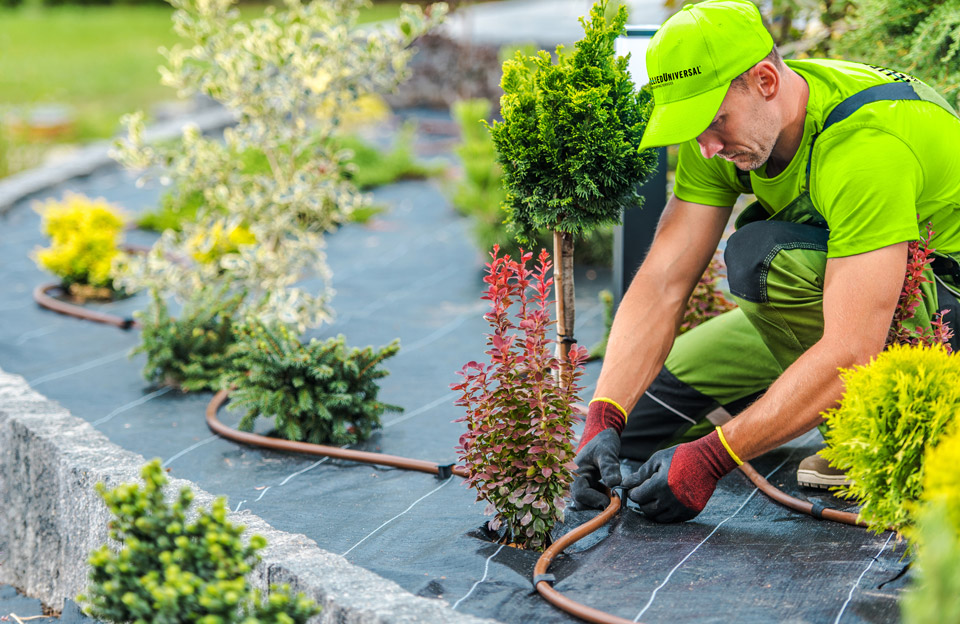
If your region faces prolonged periods of snow cover, investing in protective coverings for sensitive plants might be worthwhile; burlap wraps or mulch layers help insulate vulnerable species from extreme cold. This aspect of sustainable landscaping emphasizes not just aesthetics but also resilience against seasonal challenges.
Furthermore, regular inspections during winter allow grounds maintenance teams to identify any potential hazards caused by ice accumulation on pathways or parking lots—prompt removal ensures safety while maintaining aesthetic appeal.
Sustainable Practices Year-Round
Embracing sustainable practices enhances not only the visual appeal of commercial landscapes but also their environmental impact over time. Incorporating native plants reduces water usage significantly since these species are adapted to local climates and require less maintenance compared to non-natives that may struggle with pest resistance or drought conditions.
Implementing green infrastructure solutions such as rain gardens or permeable pavers helps manage stormwater runoff effectively while contributing positively towards local ecosystems—these features are increasingly valued by clients seeking business landscaping services aligned with sustainability goals.
Utilizing organic fertilizers alongside integrated pest management techniques minimizes chemical reliance within landscaped areas while promoting healthier ecosystems overall—a win-win scenario for both aesthetics and environmental stewardship.
Engaging Professional Commercial Landscapers
Navigating the complexities of year-round landscape care often necessitates collaboration with professional landscapers who possess expertise tailored specifically towards commercial properties’ unique demands. Engaging these specialists allows businesses not only access knowledge about optimal seasonal practices but also leverages resources capable of executing extensive projects efficiently without sacrificing quality standards expected by clients or employees alike.
When selecting a partner for commercial landscape design or ongoing maintenance services consider their background within grounds management—evaluate past projects’ success rates alongside client testimonials reflecting satisfaction levels achieved through previous engagements.
Ultimately investing wisely into professional services pays dividends over time through enhanced property value along with improved employee morale linked directly back towards well-maintained outdoor environments conducive towards productivity enhancement levels across different sectors operating within modern business landscapes today.
Conclusion
Effective year-round landscape care hinges upon a comprehensive understanding of seasonal dynamics coupled with sustainable practices designed to promote eco-friendly property services long-term health amidst fluctuating climates faced regularly throughout various regions across North America—and beyond! By embracing proactive strategies tailored specifically toward each climatic phase while engaging skilled professionals capable of executing intricate plans reliably ensures continued success amongst all stakeholders involved regardless if they’re property owners tenants visitors alike enjoying beautifully landscaped environments year after year!