As corporate properties increasingly strive to balance functionality with environmental responsibility, sustainable landscaping becomes a vital aspect of facility management. For businesses in Riverdale, the challenge lies not just in maintaining an aesthetically pleasing exterior but also in creating a landscape that enhances biodiversity, conserves water, and reduces energy costs. In this article, we will explore various sustainable landscaping solutions tailored for corporate settings, emphasizing practical applications and the benefits they offer.
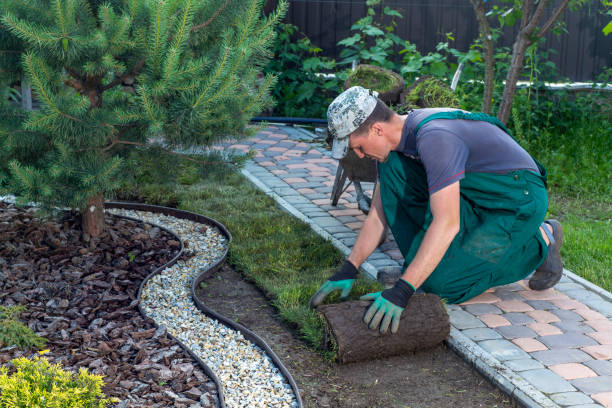
Understanding Sustainable Landscaping
Sustainable landscaping integrates native plants, efficient irrigation systems, and eco-friendly practices that contribute to professional horticultural services environmental stewardship while enhancing the beauty and functionality of corporate properties. It prioritizes long-term ecological health over short-term aesthetics. The primary goals include reducing resource consumption, minimizing waste, and fostering a balanced ecosystem.
Benefits of Sustainable Landscaping for Corporations
The advantages of adopting sustainable landscaping practices are multifaceted. First and foremost, they can significantly lower operational costs through reduced water usage and maintenance expenditure. Moreover, a well-designed green space can enhance employee productivity and satisfaction by providing an inviting outdoor environment for breaks or informal meetings.
Additionally, investing in sustainable practices can improve a corporation's public image. Businesses that demonstrate commitment to sustainability often attract environmentally conscious customers and clients. This positive branding can lead to increased loyalty and even higher profit margins over time.
Key Elements of Sustainable Landscaping
Creating a sustainable landscape involves several key components:
1. Native Plant Selection
Incorporating native plants is one of the most effective strategies for sustainable landscaping. Native species require less water and are more resistant to local pests and diseases compared to non-native varieties. By choosing plants adapted to the local climate, businesses can reduce irrigation needs significantly.
For instance, Riverdale's climate supports various native options such as coneflowers, black-eyed Susans, and ornamental grasses. These plants not only thrive with minimal care but also provide essential habitats for local wildlife.
2. Efficient Irrigation Systems
Water is a precious resource; therefore, implementing efficient irrigation systems is crucial in sustainable landscaping. Drip irrigation systems deliver water directly to plant roots while minimizing evaporation losses. Rainwater harvesting systems can also be installed to collect runoff from roofs, reducing reliance on municipal water supplies.
A smart irrigation controller adjusts watering schedules based on weather conditions or soil moisture levels, ensuring that landscapes receive just the right amount of water without wastage.
3. Soil Health Management
Healthy soil is fundamental for thriving landscapes. Engaging in practices such as composting organic waste enriches soil quality while promoting beneficial microbial activity. Additionally, employing mulching techniques helps retain moisture and suppress weeds.
Conducting soil tests can guide amendments necessary for optimal plant growth while reducing chemical fertilizer use—a common source of pollution runoff into local waterways.
4. Hardscape Design Considerations
Integrating hardscapes—like pathways made from permeable materials—can manage stormwater runoff effectively while enhancing aesthetic appeal. Permeable paving allows rainwater to filter through surfaces rather than creating runoff that contributes to erosion or flooding.
Incorporating structures like green roofs or living walls further utilizes underused spaces while providing insulation benefits for buildings beneath them.
5. Biodiversity Support
Designing landscapes that support local biodiversity is another crucial aspect of sustainability. Incorporating features like pollinator gardens encourages bees and butterflies to thrive on-site while increasing plant productivity through natural pollination processes.
Creating varied habitats through layered plantings adds interest while supporting diverse wildlife populations essential for maintaining ecological balance within corporate environments.
Practical Steps for Implementing Sustainable Landscaping
Transitioning existing landscapes into more sustainable forms requires careful planning but yields significant benefits over time:
- Conduct an Assessment: Begin with an analysis of current landscape elements—taking stock of what works well versus areas needing improvement. Develop a Plan: Collaborate with professional commercial landscapers experienced in sustainable design principles to create an actionable plan tailored specifically for your property’s unique needs. Set Realistic Goals: Establish measurable objectives regarding water use reduction or native plant installation percentages over time. Engage Employees: Involve staff members in landscape initiatives by organizing volunteer planting days or educational workshops about the importance of sustainability. Monitor Progress: Regularly evaluate the effectiveness of implemented solutions against initial goals; adjust practices as necessary based on performance feedback.
Selecting Professional Commercial Landscapers
Choosing the right team for implementing these strategies is paramount to success in any sustainable landscaping project. When vetting professional commercial landscapers:
- Look for experience with sustainable practices; their portfolio should showcase previous projects incorporating similar principles. Check references regarding reliability and quality of work. Ensure they understand local zoning laws or regulations related to landscaping modifications—compliance will avoid future legal complications. Discuss their approach toward ongoing maintenance; sustainability does not end after installation but requires continued care optimized through responsible grounds management techniques.
The Role of Technology in Sustainable Landscaping
Advancements in technology play a pivotal role in enhancing sustainability within landscaping services today—from automated irrigation timers that adjust watering schedules automatically based on real-time weather data—to drone surveys assessing landscape health across large expanses quickly without disturbing established ecosystems.
Furthermore, utilizing landscape architecture software allows designers greater flexibility when visualizing potential layouts before implementation begins; this prevents costly mistakes down the line by ensuring all stakeholders share aligned expectations ahead of time.
The Future Landscape: Green Infrastructure Trends
As concerns surrounding climate change intensify globally—corporate landscapes must adapt accordingly by embracing innovative solutions like green roofs or urban forestry initiatives designed not only enhance aesthetics but also promote carbon sequestration efforts critical combatting greenhouse gas emissions contributing global warming phenomena observed worldwide today!
Incorporating these elements positions Riverdale corporations at forefront environmental stewardship movement whilst simultaneously improving overall employee well-being fostering sense pride belonging among staff members invested future success company represents both socially ecologically responsible manner!
By prioritizing sustainability within landscaping strategies—businesses cultivate environments conducive not just productivity growth profitability—but promote harmony between built natural worlds coexist side-by-side successfully thriving each other long-term!
Through thoughtful engagement with sustainable landscaping solutions tailored specifically corporate properties Riverdale—companies unlock new realms potentiality redefining relationship land stewardship preserving ecological integrity future generations!